
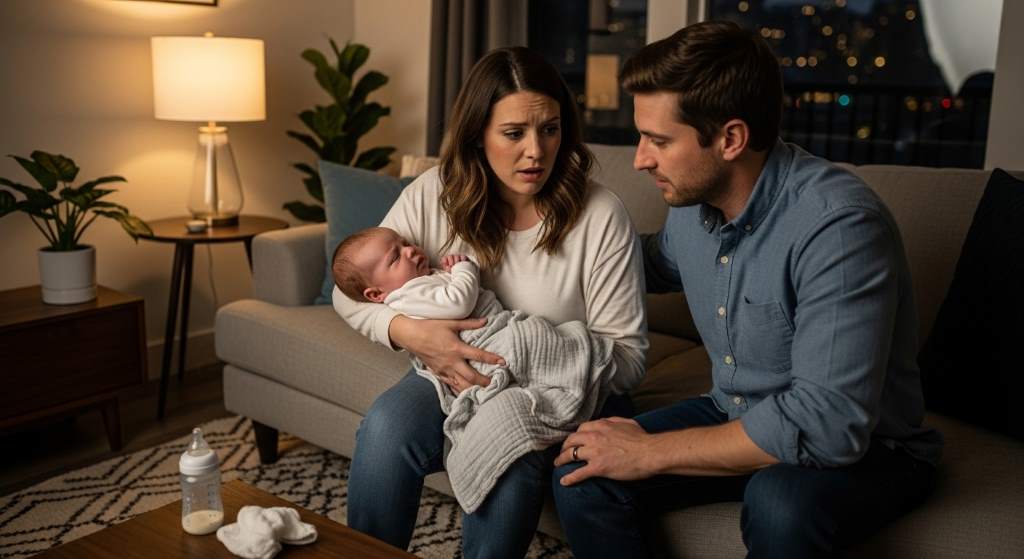
Parents across Austin, TX are paying closer attention to nighttime infant care than ever before. According to the Centers for Disease Control and Prevention, safe sleep practices remain one of the most important factors in reducing sleep-related infant risks. At the same time, many families report sleep disruptions caused by teething, growth spurts, and environmental changes. As a result, more caregivers are searching for safer alternatives that help babies settle comfortably at night. While exploring gentle solutions, some parents also research natural teething remedies for babies as part of a broader approach to infant comfort and healthy sleep habits.
Why Nighttime Fussiness Is a Growing Concern for Austin Families
Many infants experience periods of nighttime fussiness during their first year. However, parents often struggle to identify the exact cause. Some babies react to developmental milestones, while others become restless due to teething discomfort. Consequently, families seek practical solutions that support both safety and comfort.
Austin’s growing population includes many young families with busy schedules. Therefore, interrupted sleep affects not only infants but also exhausted parents. Long nights can impact daily routines, work performance, and overall family well-being. For this reason, caregivers continue searching for trusted nighttime comfort strategies.
Local healthcare providers often encourage parents to prioritize safe sleep recommendations. Nevertheless, many families still want additional ways to soothe babies without introducing unnecessary risks. This balance between comfort and safety drives much of today’s parenting research. As awareness grows, safer nighttime solutions become increasingly popular.
How Austin’s Climate Influences Infant Sleep
Austin experiences warm temperatures for much of the year. Even during cooler months, indoor environments can fluctuate because of heating and cooling systems. These temperature shifts may affect an infant’s comfort level overnight. Therefore, room temperature management plays a significant role in sleep quality.
Humidity can also influence how babies feel while sleeping. Dry indoor air sometimes causes mild irritation around the nose and throat. As a result, infants may wake more frequently during the night. Parents often adjust humidity levels to create a more comfortable sleeping environment.
Seasonal allergies present another challenge for many Austin households. Pollen levels can rise significantly during certain times of the year. Consequently, some infants become more sensitive to environmental irritants. Parents who understand local climate conditions can make better sleep-related decisions.
Safe Sleep Guidelines Remain the Foundation
Experts consistently recommend placing babies on their backs for sleep. This position helps reduce sleep-related risks and supports safer rest. Additionally, a firm mattress provides the safest sleep surface. Parents should avoid soft bedding, pillows, and loose blankets inside the crib.
Creating a clutter-free sleep environment remains one of the most effective safety measures. While decorative items may look appealing, they can create unnecessary hazards. Therefore, many parents choose simple and functional nursery designs. Safety always takes priority over appearance.
Consistent sleep routines can also contribute to better nighttime behavior. Babies often respond positively to predictable schedules. As a result, bedtime rituals help signal that it is time to sleep. These habits can gradually reduce nighttime disruptions.
Practical Nighttime Comfort Tips for Fussy Infants
Maintain a Consistent Bedtime Routine
Babies thrive when daily patterns remain predictable. A calming routine may include a bath, feeding session, gentle rocking, and quiet time. Furthermore, consistency helps infants recognize bedtime cues. Over time, this routine can improve sleep quality.
Parents should keep evening activities calm and relaxing. Bright lights and stimulating play may make it harder for babies to settle. Instead, soft lighting and soothing sounds can encourage relaxation. Small changes often produce meaningful results.
Dress Babies Appropriately for Austin Weather
Overheating can contribute to discomfort during sleep. Therefore, parents should select lightweight and breathable sleepwear when temperatures remain high. Cotton fabrics often work well because they allow better airflow. Comfort begins with proper clothing choices.
During cooler periods, layering offers flexibility without excessive warmth. Caregivers can adjust clothing based on indoor temperatures. Consequently, babies remain comfortable throughout the night. Monitoring room conditions helps support restful sleep.
Use Gentle White Noise
Many infants respond positively to consistent background sounds. White noise can help mask household noises and outdoor disturbances. Additionally, it may create a calming atmosphere that supports sleep. However, sound machines should remain at safe volume levels.
Austin neighborhoods vary in activity levels and traffic patterns. Therefore, white noise often becomes especially useful in busier areas. Parents appreciate this simple method because it requires little effort. Consistency remains important for effectiveness.
The Overlooked Connection Between Household Comfort and Infant Sleep
Many parents focus solely on infant routines while overlooking the home environment itself. Factors such as temperature consistency, air quality, and appliance performance can influence nighttime comfort. In some cases, families explore ways to discover the advantages of upgrading household systems that support a healthier indoor environment. Small improvements may contribute to better sleep conditions for everyone.
Modern appliances often operate more efficiently and quietly than older models. Consequently, they can reduce background disruptions during the night. Parents frequently notice that quieter environments help babies remain asleep longer. Comfort and convenience often work together.
A Unique Factor Many Blogs Ignore: Sensory Load Before Bedtime
One rarely discussed topic involves sensory load accumulation throughout the day. Infants constantly process new sights, sounds, textures, and experiences. By evening, some babies may become overstimulated rather than simply tired. This hidden factor can contribute to nighttime fussiness.
Parents can reduce sensory overload by creating a gradual transition into bedtime. For example, lowering household noise and limiting stimulating activities before sleep may help. Additionally, quieter interactions allow babies to relax more naturally. This approach supports emotional regulation as well as comfort.
Many Austin families participate in active social schedules and outdoor events. While these activities offer valuable experiences, they may also increase stimulation. Therefore, intentional quiet periods become especially important. A balanced daily rhythm often supports better nighttime behavior.
Nutrition and Evening Comfort
Feeding patterns can influence sleep quality in subtle ways. Babies who feed comfortably before bedtime often settle more easily afterward. However, parents should always follow guidance appropriate for their child’s age and developmental stage. Individual needs can vary considerably.
Family meal habits may also affect evening routines. Some parents simplify busy evenings by preparing meals in advance. Others enjoy ideas that help them prepare delicious chicken with nutritious ingredients while maintaining a manageable schedule. Organized evenings often create calmer bedtime environments.
A relaxed household atmosphere benefits infants as much as adults. Therefore, reducing evening stress can positively influence bedtime routines. Parents who feel less rushed often create more consistent sleep habits. Consistency remains one of the strongest tools available.
When Convenience Affects Infant Sleep Indirectly
Modern family life frequently involves balancing work, childcare, and household responsibilities. Consequently, convenience sometimes becomes an important factor in maintaining healthy routines. Families occasionally rely on services associated with the rise in popularity of prepared meal options during particularly busy periods. This flexibility may help preserve evening schedules and reduce stress.
Lower stress levels often contribute to calmer household dynamics. Babies can sometimes respond to emotional cues within their environment. Therefore, smoother family routines may indirectly support better nighttime experiences. Small adjustments can create meaningful improvements.
Signs Parents Should Consult a Pediatrician
Occasional fussiness is common during infancy. However, persistent discomfort may require professional evaluation. Parents should seek guidance if symptoms appear unusual or worsen over time. Early assessment provides reassurance and appropriate care.
- Frequent inconsolable crying
- Difficulty feeding
- Persistent fever
- Breathing concerns
- Unusual sleep disruptions
- Noticeable changes in behavior
Healthcare professionals can identify underlying causes that may not be obvious at home. Therefore, parents should never hesitate to ask questions. Expert advice helps families make informed decisions. Peace of mind remains valuable for both caregivers and infants.
Creating a Safer and More Comfortable Nighttime Environment
Parents often achieve the best results through a combination of proven strategies. Safe sleep practices should remain the foundation of every nighttime routine. Additionally, climate awareness, sensory management, and consistency can improve comfort levels. Together, these factors create a supportive sleep environment.
Austin families benefit from understanding the unique conditions that affect infant sleep. Local weather patterns, busy lifestyles, and household environments all play important roles. Consequently, thoughtful adjustments often lead to better outcomes. Every baby responds differently, so patience remains essential.
Conclusion
Parents in Austin, TX continue searching for safer nighttime comfort tips because they want solutions that support both infant well-being and family peace of mind. By focusing on safe sleep practices, climate-appropriate comfort measures, sensory balance, and consistent routines, caregivers can help babies rest more comfortably. Small changes often produce significant improvements over time. Start evaluating your baby’s nighttime environment today and implement one practical adjustment at a time for safer, more restful nights.
FAQs
Why do infants become fussier at night?
Many infants become fussier at night due to fatigue, developmental changes, teething, or overstimulation.
What room temperature is best for infant sleep?
Most experts recommend maintaining a comfortably cool room that prevents overheating.
Can white noise help a fussy baby sleep?
Yes, white noise may help some infants relax by masking distracting sounds.
How can Austin weather affect infant sleep?
Heat, humidity, allergies, and indoor temperature fluctuations can influence nighttime comfort.
When should parents contact a pediatrician about fussiness?
Parents should contact a pediatrician if fussiness becomes persistent, severe, or accompanies concerning symptoms.