
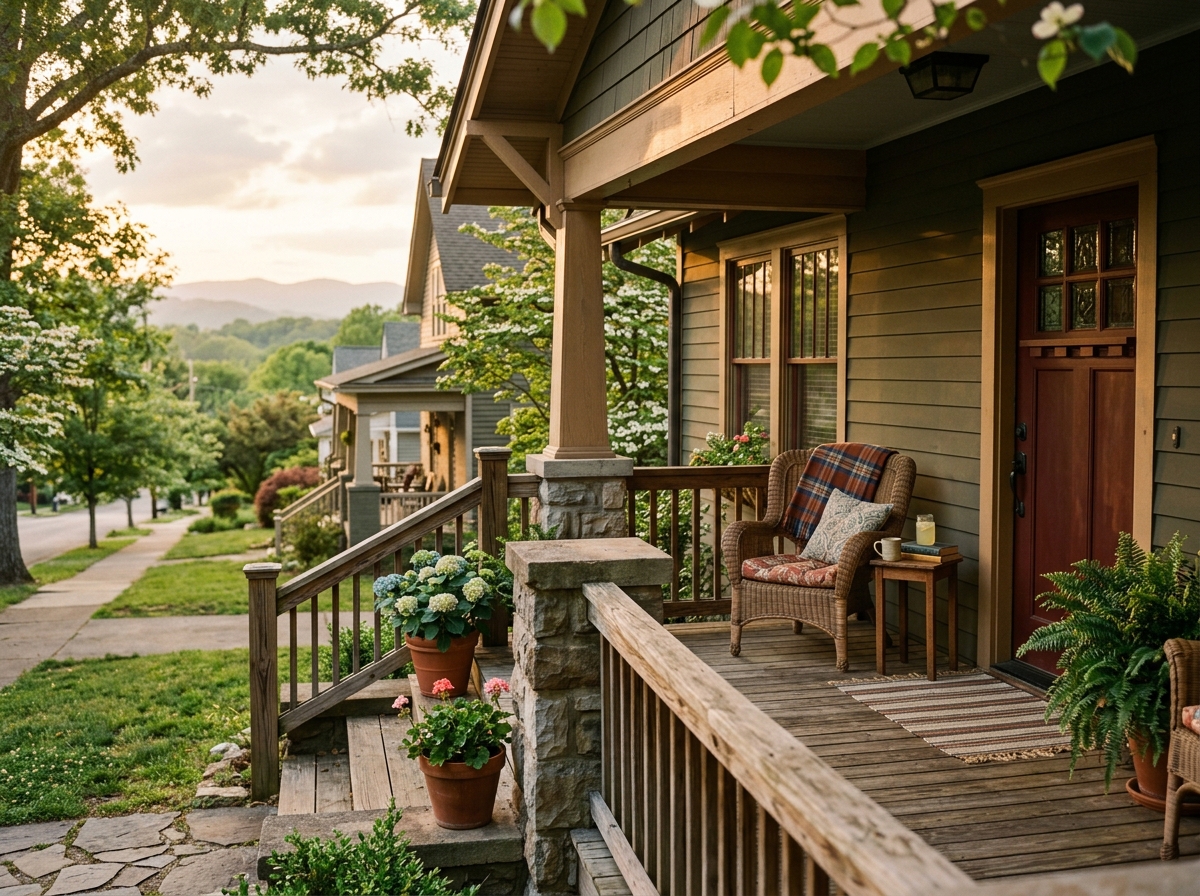
A home is more than its floor plan, finishes, and asking price. In Knoxville, Tennessee, the neighborhood around a property can shape the time spent in traffic, the cost of daily errands, access to outdoor spaces, and how comfortably the home fits a household’s routine. Two similarly priced homes can create very different day-to-day experiences.
Buyers benefit from comparing locations as carefully as they compare kitchens or bedroom counts. Knoxville, TN real estate agent Bessie Whiteside offers home-search tools and buyer, seller, and relocation information through Bessie Whiteside’s Knoxville-focused real estate website. With a service area that includes Knoxville, Knox County, Blount County, and Anderson County, the site is a useful starting point for connecting property features with the local conditions that affect everyday living.
Why Neighborhood Choice Matters
There is no single best Knoxville-area neighborhood for every buyer. A household that commutes daily may place the highest value on dependable access to major roads, while another may prefer more land, quieter surroundings, or room for hobbies. Location can influence privacy, parking, noise, nearby services, recreation options, and the pool of future buyers who may be interested in the property.
Rather than beginning with a long list of homes, begin with a short list of realistic locations. This approach helps prevent a buyer from falling in love with a house before considering the practical tradeoffs that come with its setting.
Set Priorities Before Touring Homes
Create a simple buyer profile and keep it available during every showing. It is easier to compare neighborhoods when each property is measured against the same priorities.
Must-Haves
- A maximum monthly housing payment that includes more than the loan payment.
- An acceptable commute time and reliable route options.
- The needed number of bedrooms, bathrooms, parking spaces, and accessibility features.
- Requirements related to pets, schools, home offices, or outdoor space.
- A preferred home type, lot size, and level of maintenance.
Nice-To-Haves And Deal Breakers
- Nice-to-haves may include mature trees, a workshop, a finished basement, greenway access, or walkable errands.
- Deal breakers may include heavy traffic, restrictive HOA rules, steep driveways, difficult road access, drainage concerns, or persistent noise from highways, rail lines, commercial sites, or nightlife.
Compare The Full Monthly Cost
The list price does not reveal the complete cost of ownership. Compare principal and interest alongside property taxes, homeowners insurance, HOA or condominium dues, utilities, internet availability, routine maintenance, and likely repairs. A property that requires flood insurance or has a long private drive may need additional room in the budget.

For example, a lower-priced home farther from Knoxville may initially appear to save money. If it adds substantial fuel use, vehicle wear, commute time, and maintenance for a larger lot or driveway, its practical monthly cost may be closer to that of a more centrally located option. The goal is not to avoid rural or suburban properties, but to evaluate their full cost honestly.
Study Commutes, Streets, And Daily Routines
Map distance is not always the same as actual travel time. Test the route to work, school, medical appointments, and frequent errands during morning and afternoon traffic. Also visit on an evening or weekend, when event traffic, school activity, or a busy commercial corridor may create a different experience.
While visiting, notice intersection delays, bridge crossings, road width, parking, sidewalks, lighting, bike routes, and the ease of entering or leaving the neighborhood. For homes within city limits, the City of Knoxville Neighborhood Traffic Safety Program provides useful context on resident-led efforts to address speeding and traffic concerns on residential streets.
Then consider a typical week, not just the drive to work. Check practical access to grocery stores, pharmacies, health care, parks, libraries, gyms, restaurants, and community spaces. In more rural areas, verify cell coverage and available high-speed internet service directly with providers before making an offer.
Review Development, Land Use, And Property Conditions
Undeveloped land nearby may remain quiet, or it may eventually change. New housing, roads, and commercial projects can bring services and infrastructure, but they can also introduce construction activity and more traffic. Listing descriptions are not a substitute for reviewing public records and asking informed questions about what is proposed nearby.
Buyers can use the Knox County comprehensive plan and future land use resources to examine long-range land use, transportation, park, and public investment ideas. The plan and future land use map were adopted in 2024, and they can help buyers understand the broader direction of growth without predicting a specific outcome for any parcel.
At the property level, look beyond the house itself. Note creeks, visible drainage paths, slopes, retaining walls, driveway grades, wooded areas, and the condition of nearby roads. Ask whether the home uses public utilities or septic, then rely on appropriate inspections and due diligence to evaluate the property’s individual condition.
Established Neighborhoods Versus Newer Developments
Established areas may offer mature landscaping, familiar traffic patterns, completed infrastructure, older architectural styles, and sometimes larger lots. Newer developments may offer modern layouts, newer systems, builder warranties, and shared amenities such as sidewalks, trails, or community recreation features.
Neither option is automatically better. Compare HOA rules, parking limits, rental policies, fence requirements, lot premiums, utility arrangements, future building phases, and construction timelines. A buyer should also confirm whether a particular amenity is complete, planned, privately maintained, or subject to fees.
Use A Simple Neighborhood Scorecard
Rate each area from one to five and apply the same categories every time:
- Monthly cost: Housing payment, taxes, insurance, dues, utilities, and maintenance.
- Commute: Travel time, route reliability, parking, and fuel use.
- Daily convenience: Errands, health care, dining, schools, and recreation.
- Home options: Available home types, lot sizes, conditions, and features.
- Noise and privacy: Traffic, street activity, nearby businesses, and spacing between homes.
- Future fit: Lifestyle flexibility, potential resale appeal, and surrounding development.
Give extra weight to the categories that matter most. A remote worker may prioritize quiet surroundings and internet service, while a frequent commuter may place greater weight on road access and predictable travel times.
Questions To Ask Before Making An Offer
- How does traffic change during work hours, school arrival, and evening activity?
- Are road projects, zoning applications, or new developments proposed nearby?
- What taxes, insurance, utility, HOA, and maintenance costs should be expected?
- Are drainage, slope, access, septic, or parking concerns common for this property?
- Which schools serve the specific address, and what restrictions apply to pets, rentals, fences, and exterior changes?
A Seven-Step Neighborhood Review
- Write down household needs, preferences, and deal breakers.
- Select three to five Knoxville-area locations that fit the budget.
- Compare total monthly costs, not only asking prices.
- Test key travel routes during busy periods.
- Visit each neighborhood at different times and on different days.
- Review public planning information, restrictions, utilities, and property risks.
- Use the scorecard to narrow the search before writing an offer.
Choose For The Life You Plan To Live
A confident Knoxville-area purchase looks beyond attractive photos and renovated finishes. By weighing costs, commute patterns, local services, street conditions, future development, and personal priorities, buyers can choose a neighborhood that supports their budget and routine in 2026 and the years ahead.