

Golf is a sport that demands a lot from your hands. For players living with arthritis, every swing can bring discomfort, stiffness, or even sharp pain. However, arthritis does not have to end your time on the course. With the right strategies, you can manage your symptoms and still enjoy the game you love.
This guide covers practical ways to find arthritis hand relief, reduce joint pain while golfing, and improve grip comfort — so you can focus on your game, not your pain.
Understanding Why Golf Affects Arthritic Hands
Arthritis causes inflammation in the joints. In the hands and fingers, this inflammation leads to swelling, stiffness, and a reduced range of motion. Golf, unfortunately, puts direct stress on these very joints. The act of gripping a club, rotating through a swing, and repeating those motions over 18 holes can worsen symptoms quickly.
The two most common types of arthritis that affect golfers are osteoarthritis and rheumatoid arthritis. Osteoarthritis breaks down cartilage over time, while rheumatoid arthritis is an autoimmune condition that causes the immune system to attack joint tissue. Both make gripping and swinging harder than it needs to be.
Therefore, understanding your condition is the first step. Talk to your doctor before making changes to your game, especially if your symptoms are severe.
Warming Up Your Hands Before You Play
One of the most important joint pain golf tips any player with arthritis can follow is a proper warm-up. Cold, stiff joints are far more vulnerable to pain and injury. Spending just 10 minutes warming up your hands before you tee off can make a significant difference.
Start by gently opening and closing your fists several times. Then, slowly rotate your wrists in circles — first clockwise, then counterclockwise. You can also try pressing your palms flat together and gently bending your wrists back and forth. These simple movements increase blood flow to the joints and loosen tight tendons.
Additionally, applying a warm compress or heating pad to your hands for a few minutes before play can relax the tissue around stiff joints. Some golfers also find that a warm-water hand soak works well on cooler mornings.
Choosing the Right Golf Grip
The standard golf grip can be painful for arthritic hands. Fortunately, there are several grip styles that can reduce strain significantly.
The interlock grip, where the index finger of the lower hand locks with the pinky of the upper hand, can actually put excess pressure on finger joints. Many golfers with arthritis prefer the 10-finger grip, also called the baseball grip, where all fingers wrap naturally around the club. This spreads pressure more evenly across the hand.
Another option is using an overlapping grip but loosening your hold. A tight grip increases tension in the wrist, forearm, and finger joints. Surprisingly, gripping slightly lighter often improves both comfort and swing accuracy.
Therefore, experiment with different grip styles during a practice session before committing to changes on the course.
Upgrading Your Golf Equipment
Your equipment can either protect your joints or make things worse. Choosing the right gear is one of the most overlooked aspects of arthritis hand relief and grip comfort for golfers.
Here are some equipment changes worth considering:
- Oversized or jumbo grips: Thicker grip handles require less finger pressure to hold. This reduces the tension that triggers joint pain. Many brands make arthritis-friendly oversized grips.
- Graphite shafts: Graphite absorbs shock better than steel. Less vibration means less stress transmitted to your wrist and hand joints on each shot.
- Lightweight clubs: Heavier clubs demand more muscular effort, which strains arthritic joints. Lighter club options are widely available.
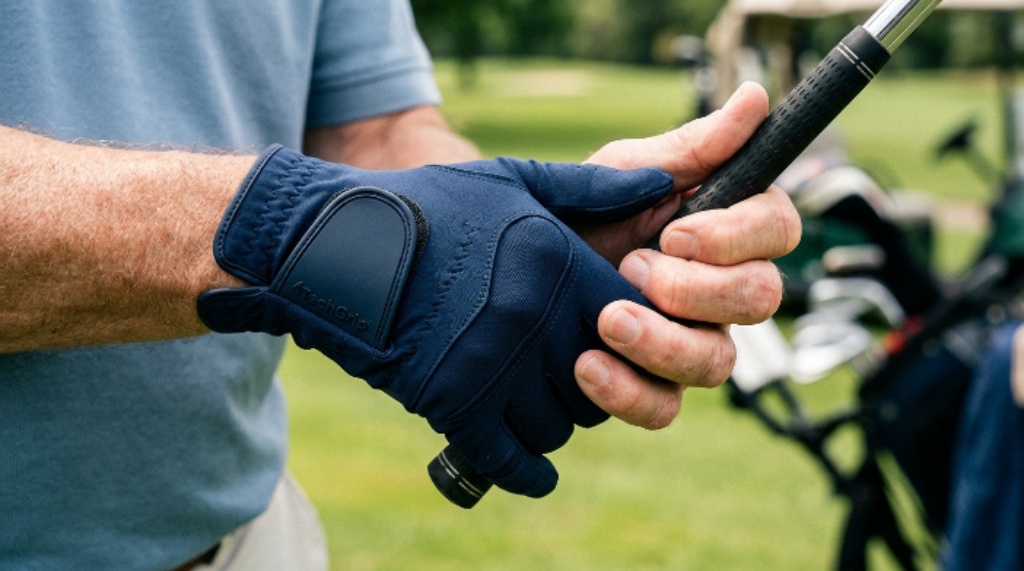
- Arthritis golf gloves: Compression gloves designed for arthritis support the joints while keeping your hands warm. Some are thin enough to allow full grip feel.
Additionally, consider switching to softer golf balls. Softer balls create less impact vibration at contact, which reduces the sting that arthritic hands often feel during shots.
Adjusting Your Swing Technique
Your swing itself may need some modification. This is not about playing worse — it is about playing smarter.
First, shorten your backswing slightly. A full backswing demands maximum wrist and hand rotation, which stresses already inflamed joints. A shorter, controlled backswing can still produce effective shots while protecting your hands.
Second, let your arms and body do more of the work. Many recreational golfers over-rely on wrist action to generate power. Instead, focus on rotating your core and shoulders. This naturally reduces how much work your wrists and hands must do.
Third, avoid gripping tighter during difficult shots. Under pressure, most golfers instinctively tighten their grip. However, for arthritic players, this is exactly when joint flare-ups happen. Practice staying relaxed, even on tough lies.
Working with a golf instructor who understands physical limitations can be very helpful here. A few lessons focused on joint-friendly technique may improve your entire game, not just your comfort.
Managing Pain During and After Your Round
Even with careful preparation, some discomfort is normal. Knowing how to manage it during play keeps you on the course longer.
Between holes, take a moment to gently shake out your hands and relax your grip. This brief release reduces the buildup of tension that leads to pain. If you carry an insulated drink, the warmth can also serve as a quick hand warmer on cool days.
Anti-inflammatory medications, if approved by your doctor, can help manage pain on heavy play days. Some golfers also use topical creams applied to the hands before and after a round. Natural options like arnica gel have shown mild relief benefits for joint discomfort.
After your round, apply ice to your hands if they feel hot or swollen. Ice reduces inflammation effectively. If your hands feel stiff instead, heat is the better choice. Alternating between the two — contrast therapy — works well for many arthritis patients.
Staying Consistent with Hand Health Between Rounds
Golf is a seasonal or weekly activity for most players. However, managing arthritis requires daily attention. Staying consistent between rounds helps keep your joints healthier when you do play.
Hand exercises done daily can maintain flexibility and strengthen the small muscles that support your joints. Squeezing a soft therapy putty or stress ball is a simple, effective method. Stretching your fingers wide and holding for a few seconds each day also helps maintain range of motion.
Staying hydrated and maintaining a healthy weight reduces the overall inflammatory load on your body, including your hands. Some research also suggests that an anti-inflammatory diet — rich in omega-3 fatty acids, leafy greens, and berries — may reduce arthritis symptoms over time.
Conclusion
Arthritis does not have to take golf away from you. By warming up properly, choosing the right grip and equipment, adjusting your technique, and caring for your hands consistently, you can manage joint pain and stay active on the course. The key is to make small, smart adjustments rather than pushing through pain and risking greater injury. With the right approach to arthritis hand relief, joint pain golf tips, and grip comfort, you can keep playing the game you love for many more years.
Frequently Asked Questions
What type of golf glove is best for arthritis?
Compression gloves designed specifically for arthritis are the best option. They support the joints, keep hands warm, and reduce stiffness. Look for gloves made from flexible, breathable materials that maintain grip feel while providing gentle joint compression.
Can I still play golf with severe arthritis?
Many people with severe arthritis continue to play golf with appropriate modifications. However, it is important to consult your doctor or a rheumatologist before continuing or returning to play. They can advise on safe activity levels based on your specific condition.
Do oversized golf grips really help with joint pain?
Yes, oversized grips significantly reduce the amount of finger pressure needed to hold the club. This lowers tension across the hand and wrist joints, making each swing more comfortable. Many golfers with arthritis report notable improvement after switching to larger grip sizes.
Should I use heat or ice on my hands after golf?
It depends on your symptoms. Use ice if your hands are hot, red, or swollen after play, as ice reduces active inflammation. Use heat if your hands feel stiff and tight. Some players benefit from alternating both in short intervals, which is known as contrast therapy.
Are graphite shafts worth the cost for arthritic golfers?
For most golfers with arthritis, yes. Graphite shafts are lighter and absorb more vibration than steel shafts. This means less shock transferred to the hands and wrists on every shot. The investment is generally worth it for regular players dealing with joint discomfort.
Related Topics:
How to Find the Best Pillow for Swollen Legs That Works Fast