
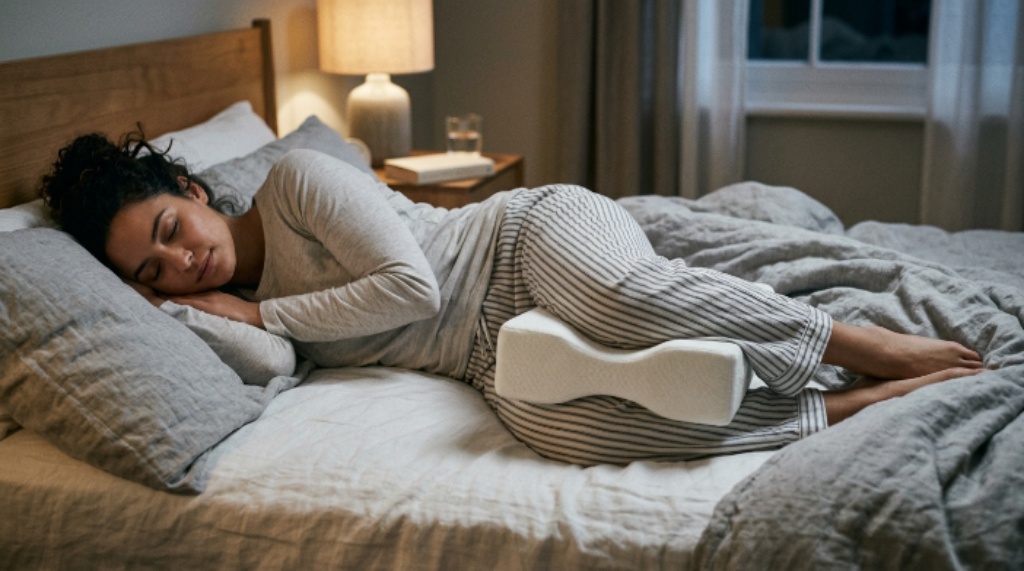
Getting a good night’s sleep is one of the most important things you can do for your body. However, for many people, pain in the knees, hips, or lower back makes restful sleep feel impossible. A knee support pillow can change that. It is a simple, affordable tool that improves your sleeping posture and reduces discomfort throughout the night. This article explains exactly how to use one, who benefits most, and what to look for when choosing the right pillow for your needs.
What Is a Knee Support Pillow?
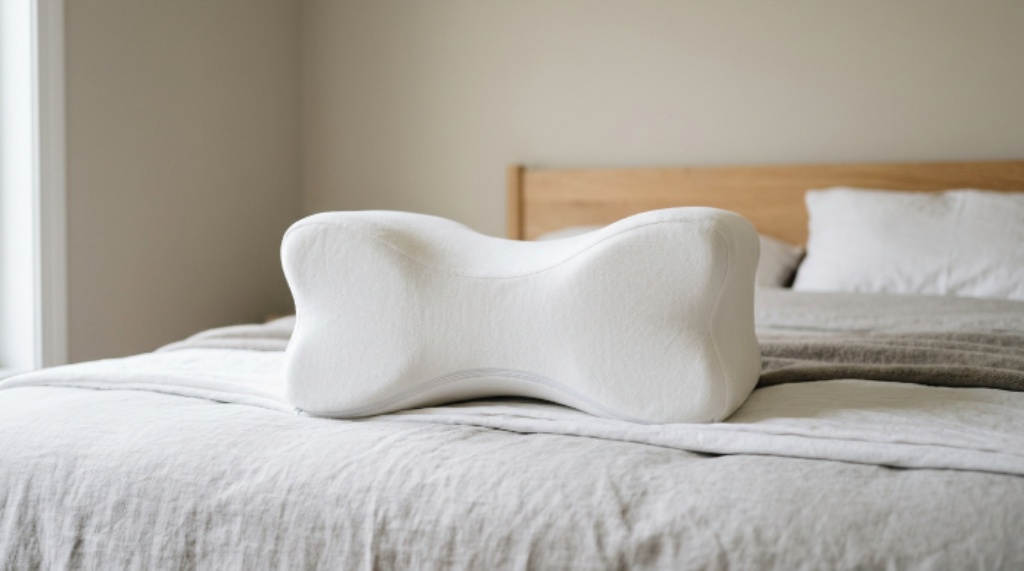
A knee support pillow is a specially shaped cushion designed to be placed between or beneath the knees while you sleep. Most of these pillows are made from memory foam. They contour gently to the shape of your legs, keeping them properly aligned without putting extra stress on your joints.
Unlike a regular bed pillow, a knee support pillow holds its shape through the night. It does not flatten under pressure. This consistency is what makes it so effective for people dealing with joint pain, poor circulation, or post-surgery recovery.
Why Your Sleeping Position Affects Your Health
Most people do not think much about how they sleep. They simply lie down and drift off. However, your sleeping position has a direct impact on your spine, hips, and knees. When your legs are not properly supported, your body compensates by shifting weight unevenly. Over time, this creates tension, stiffness, and pain.
Side sleepers are especially vulnerable. When you lie on your side without any support between your knees, the top leg drops forward. This pulls your hip out of alignment. Your lower back twists slightly to compensate. By morning, you wake up sore — and you may not even know why.
Back sleepers face a different challenge. Without support under the knees, the lower back tends to arch away from the mattress. This strains the lumbar muscles and can worsen existing back pain. Therefore, placing a cushion under the knees while sleeping on your back takes significant pressure off the spine.
Who Benefits Most from a Knee Support Pillow?
Almost anyone can benefit from better leg support during sleep. However, certain groups find these pillows especially helpful.
People with arthritis often experience joint stiffness after sleeping in awkward positions. A joint support cushion keeps the knees in a neutral position, reducing morning stiffness significantly. Additionally, pregnant women benefit greatly from knee pillow use. As the belly grows, the hips widen and sleeping on one side becomes necessary. A knee pillow prevents the discomfort that comes from unsupported side sleeping.
Those recovering from knee or hip surgery are often advised by their doctors to use a support pillow. It keeps the surgical area elevated and reduces swelling. People with sciatica, herniated discs, or chronic lower back pain also report noticeable improvement when they add a knee pillow to their sleep routine.
Even healthy sleepers who simply want to maintain good posture through the night will find value in this small but powerful sleep accessory.
How to Use a Knee Support Pillow Correctly
Using a knee pillow is straightforward. However, the right method depends on your preferred sleeping position.
For Side Sleepers
Side sleeping is the most common position, and it is also the position where a knee pillow makes the biggest difference. Here is how to use it correctly:
- Lie on your side in a comfortable position, with your hips stacked and your spine in a straight line.
- Place the knee support pillow between your knees, not just between your ankles. The pillow should sit at knee level to keep the hips properly aligned.
- Let your top leg rest naturally on the pillow. You should feel the tension in your hip and lower back release almost immediately.
- Make sure the pillow fills the space between your knees without pushing them too far apart. A slight natural gap is ideal.
Some people prefer to hug a body pillow in front of them and place the knee pillow behind the top knee. This provides support from both sides and is especially comfortable for pregnant women.
For Back Sleepers
If you sleep on your back, place the knee pillow under both knees rather than between them. This lifts the knees slightly and allows the lower back to flatten naturally against the mattress.
- Lie flat on your back with your arms relaxed at your sides.
- Slide the pillow under both knees so they are elevated by about four to six inches.
- Adjust until your lower back feels supported and relaxed against the mattress surface.
This position improves blood flow to the legs and takes significant strain off the lumbar spine. It is one of the most recommended sleep health tips for people with chronic back pain.
For Stomach Sleepers
Stomach sleeping is generally not recommended for spinal health. However, if you cannot break the habit, place a flat, firm pillow under your pelvis and lower abdomen. This reduces the arch in your lower back. A thin knee pillow under the ankles can also help elevate the feet slightly and reduce pressure on the lower back.
Choosing the Right Knee Support Pillow
Not every knee pillow is the same. Choosing the right one makes a real difference in how effective it is for your needs.
Consider the shape first. Most knee pillows come in one of two shapes — a contoured hourglass shape or a wedge shape. The hourglass shape is ideal for side sleepers because it keeps the knees at the right distance apart. The wedge shape works better for back sleepers who need under-knee elevation.
Material matters, too. Memory foam is the most popular option because it responds to body heat and molds to your legs. However, some people prefer firmer options made from latex or high-density foam. These hold their shape more rigidly and are easier to keep in place through the night.
Size is another factor. A pillow that is too large will force the knees too far apart. One that is too small will not provide enough support. Look for a pillow sized appropriately for your body and leg width.
Finally, consider the cover. A washable, breathable cover made from bamboo or cotton is ideal. It keeps the pillow fresh and comfortable through all seasons. A good pressure relief pillow will include a removable and machine-washable cover as a standard feature.
Additional Tips for Better Sleep with a Knee Pillow
A knee pillow works best as part of a broader approach to sleep comfort. Here are a few extra habits that can enhance its effectiveness.
Make sure your mattress is supportive. A sagging mattress will undermine even the best knee pillow. If your mattress dips noticeably where you sleep, it may be time to replace it or add a mattress topper.
Keep the pillow in place by wearing fitted pajama bottoms. Some people find that looser clothing allows the pillow to slip out during the night. Snugger clothing creates a gentle grip that keeps everything aligned.
Additionally, stretch before bed. A short routine of gentle hip and knee stretches helps relax the muscles before you lie down. This makes it easier for your body to settle into a comfortable position and stay there.
Stay consistent. It may take a few nights to get used to sleeping with a knee pillow. However, most people adapt quickly and report better sleep within the first week of regular use.
Conclusion
A knee support pillow is a simple yet highly effective tool for improving sleep comfort and reducing joint pain. Whether you are a side sleeper struggling with hip alignment, a back sleeper dealing with lower back tension, or someone recovering from surgery, the right pillow placement can make a meaningful difference. Using a joint support cushion consistently, choosing the correct shape and material, and pairing it with good sleep habits will help you wake up feeling refreshed and pain-free. These practical sleep health tips cost very little to implement but deliver lasting results. Your body deserves proper support every single night — and a knee pillow is one of the easiest ways to provide it.
Frequently Asked Questions
Can I use a regular pillow instead of a knee support pillow?
You can, but it is not ideal. Regular pillows flatten quickly under the weight of your leg and lose their shape through the night. A dedicated knee pillow, especially one made from memory foam, maintains its support consistently and is shaped specifically for between-the-knees use.
How long does it take to get used to sleeping with a knee pillow?
Most people adjust within three to seven nights. The first night may feel slightly unusual, but your body adapts quickly once it starts experiencing the reduced pressure and better alignment that the pillow provides.
Is a knee support pillow safe during pregnancy?
Yes. Knee support pillows are widely recommended for pregnant women, particularly during the second and third trimesters when side sleeping becomes necessary. They reduce hip and lower back discomfort by keeping the legs properly aligned throughout the night.
Should the pillow go between my knees or under them?
It depends on your sleeping position. Side sleepers should place the pillow between the knees. Back sleepers should place it under both knees. Using it in the correct way for your position ensures maximum benefit and proper spinal alignment.
How do I clean a knee support pillow?
Most knee pillows come with a removable cover that is machine washable. Remove the cover regularly and wash it according to the label instructions. The foam core should not be machine washed — instead, spot clean it with a damp cloth and mild soap, then allow it to air dry completely before use.
Related Topics:
What are the key elements of domiciliary care?
Finding Mobility: How Chiropractic Care Can Ease Osteoarthritis Symptoms