

Seasonal allergies affect millions of people every year, but you don’t have to rely solely on over-the-counter medications. In this guide, we will explore natural ways to prevent and manage seasonal allergies, helping you breathe easy without the need for harsh chemicals. Whether it’s pollen, dust, or mold that triggers your allergies, we’ve got you covered with practical tips that can make a significant difference in your quality of life.
What Are Seasonal Allergies?
Seasonal allergies occur when your immune system overreacts to airborne allergens like pollen, mold, or dust. Symptoms typically include sneezing, runny nose, itchy eyes, and congestion. While medications offer relief, many prefer natural alternatives that come with fewer side effects. So, what can you do to prevent and manage these annoying symptoms naturally? Let’s find out!
Why Do Seasonal Allergies Happen?
Seasonal allergies happen when your immune system mistakenly identifies harmless substances like pollen as a threat. This overreaction triggers inflammation in the respiratory system. During allergy seasons, particularly in spring and fall, these airborne allergens are more prevalent, leading to increased symptoms. But the good news? You can take steps to alleviate and even prevent these allergies naturally.
How Can You Prevent Seasonal Allergies Naturally?
Preventing seasonal allergies naturally requires a combination of lifestyle changes, herbal remedies, and environmental adjustments. Here’s how:
- Keep Your Home Allergen-Free: Regular cleaning can help reduce allergens like dust mites and mold.
- Use Air Purifiers: Air purifiers can reduce pollen, mold, and dust particles in your home, especially during allergy season.
- Wash Your Hands and Face: After spending time outdoors, wash off any pollen or other allergens from your skin.
- Natural Remedies: Herbal supplements like butterbur, quercetin, and local honey may help your body combat allergens.
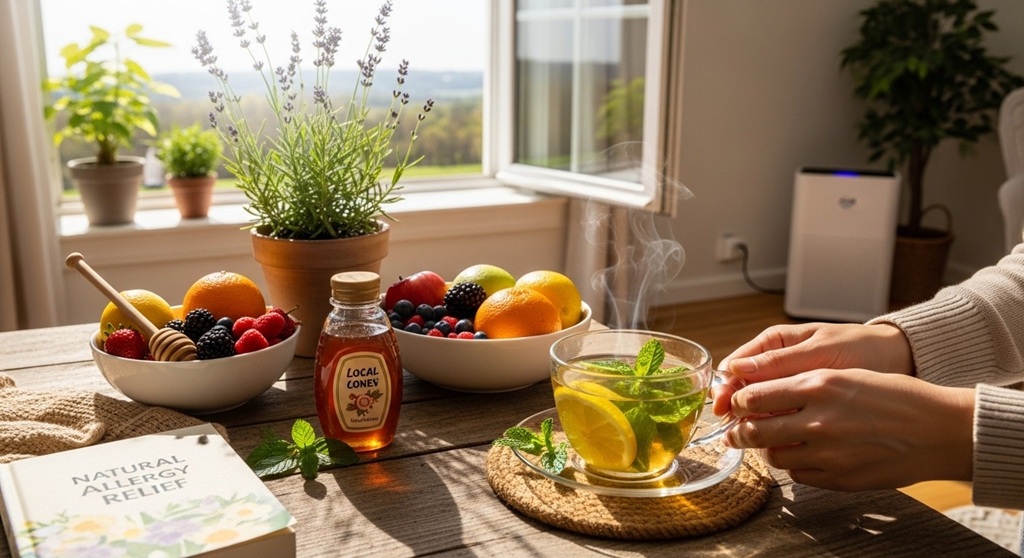
What are the Best Natural Remedies for Seasonal Allergies?
There are several natural remedies that can ease the symptoms of seasonal allergies:
1. Butterbur
Butterbur is a plant known for its ability to reduce inflammation. Several studies suggest it works as well as antihistamines for preventing hay fever symptoms. It’s one of the best natural remedies for allergic rhinitis.
2. Quercetin
Quercetin, a flavonoid found in apples, onions, and citrus fruits, is a natural antihistamine. It helps stabilize mast cells that release histamine, thus reducing allergy symptoms. Adding quercetin-rich foods to your diet can offer relief.
3. Local Honey
Consuming local honey has been suggested as a natural way to build immunity to local pollen. It is believed that small amounts of pollen found in honey help desensitize your body to allergens.
How Does Diet Affect Seasonal Allergies?
Your diet plays a crucial role in managing seasonal allergies. Foods rich in antioxidants, like fruits and vegetables, can strengthen your immune system, helping your body fight off allergens. Omega-3 fatty acids found in fish and flaxseeds are also known to reduce inflammation.
Additionally, avoiding foods that may increase inflammation, such as processed foods or foods high in sugar, can reduce your body’s allergic response.
Can Essential Oils Help Prevent Seasonal Allergies?
Essential oils are another natural remedy that may alleviate allergy symptoms. Here are some that can help:
- Peppermint Oil: Known for its ability to open up nasal passages and improve airflow.
- Eucalyptus Oil: Helps reduce congestion and inflammation in the airways.
- Lavender Oil: Can reduce histamine release, which may help ease symptoms.
What Lifestyle Changes Can Help Prevent Allergies?
Along with natural remedies, certain lifestyle changes can also help manage seasonal allergies:
- Avoiding Pollen: Stay indoors when pollen counts are high, typically early in the morning or on windy days.
- Showering After Outdoor Activities: Pollen sticks to your skin and hair, so showering immediately after being outside can prevent it from entering your home.
- Keeping Windows Closed: Avoid opening windows during allergy season to prevent pollen from entering your home.
- Exercise Indoors: If you’re prone to allergies, consider indoor activities when pollen counts are high.
What are the Best Natural Supplements for Allergy Relief?
Several natural supplements are available to help with allergy prevention and relief:
- Probiotics: These can help balance your immune system and reduce allergy symptoms.
- Nettle Leaf: Known to act as a natural antihistamine, helping to relieve sneezing and itching.
- Vitamin C: A powerful antioxidant that may help reduce inflammation and boost your immune system.
Conclusion
Seasonal allergies can be frustrating, but with the right natural remedies, you can find relief. From keeping your environment allergen-free to incorporating herbal supplements and lifestyle changes, there are plenty of ways to prevent and manage allergies naturally. Remember, consistency is key. Implement these tips to help your body handle seasonal allergens and enjoy the seasons without the discomfort!
Ready to breathe easier? Start by applying some of these natural solutions to your routine today. And if you’re still struggling with your seasonal allergies, consult with a healthcare professional to explore more options.
FAQ Section
1. Can I prevent seasonal allergies naturally?
Yes, you can prevent seasonal allergies naturally by maintaining a clean environment, using air purifiers, and incorporating herbal remedies like butterbur and quercetin.
2. How can I reduce pollen exposure?
To reduce pollen exposure, avoid being outdoors during peak pollen times, keep windows closed, and shower after outdoor activities to wash off any pollen.
3. Is honey effective for seasonal allergies?
Local honey can help build immunity to local pollen, potentially easing allergy symptoms by gradually desensitizing your body.
4. Can essential oils help with allergies?
Yes, essential oils like peppermint, eucalyptus, and lavender can help alleviate symptoms by reducing congestion and inflammation in the airways.
5. What foods should I avoid for seasonal allergies?
Avoiding inflammatory foods like processed foods, dairy, and sugar can reduce your body’s allergic reactions and help manage symptoms.
6. How can I naturally boost my immune system to prevent allergies?
Eating a diet rich in antioxidants, omega-3 fatty acids, and probiotics can strengthen your immune system and reduce allergic responses.
7. Are there any supplements that help with seasonal allergies?
Supplements like probiotics, nettle leaf, and vitamin C can help reduce inflammation and support your immune system in managing allergies naturally.
Read More Also: What is the difference between cement and concrete?