
Key Takeaways
- Manufactured homes offer a cost-effective alternative to traditional housing, with average prices significantly lower than site-built homes.
- Recent legislative changes and policy reforms are enhancing the appeal and accessibility of manufactured housing.
- Modern manufactured homes feature improved designs and energy efficiency, challenging outdated stigmas.
Introduction
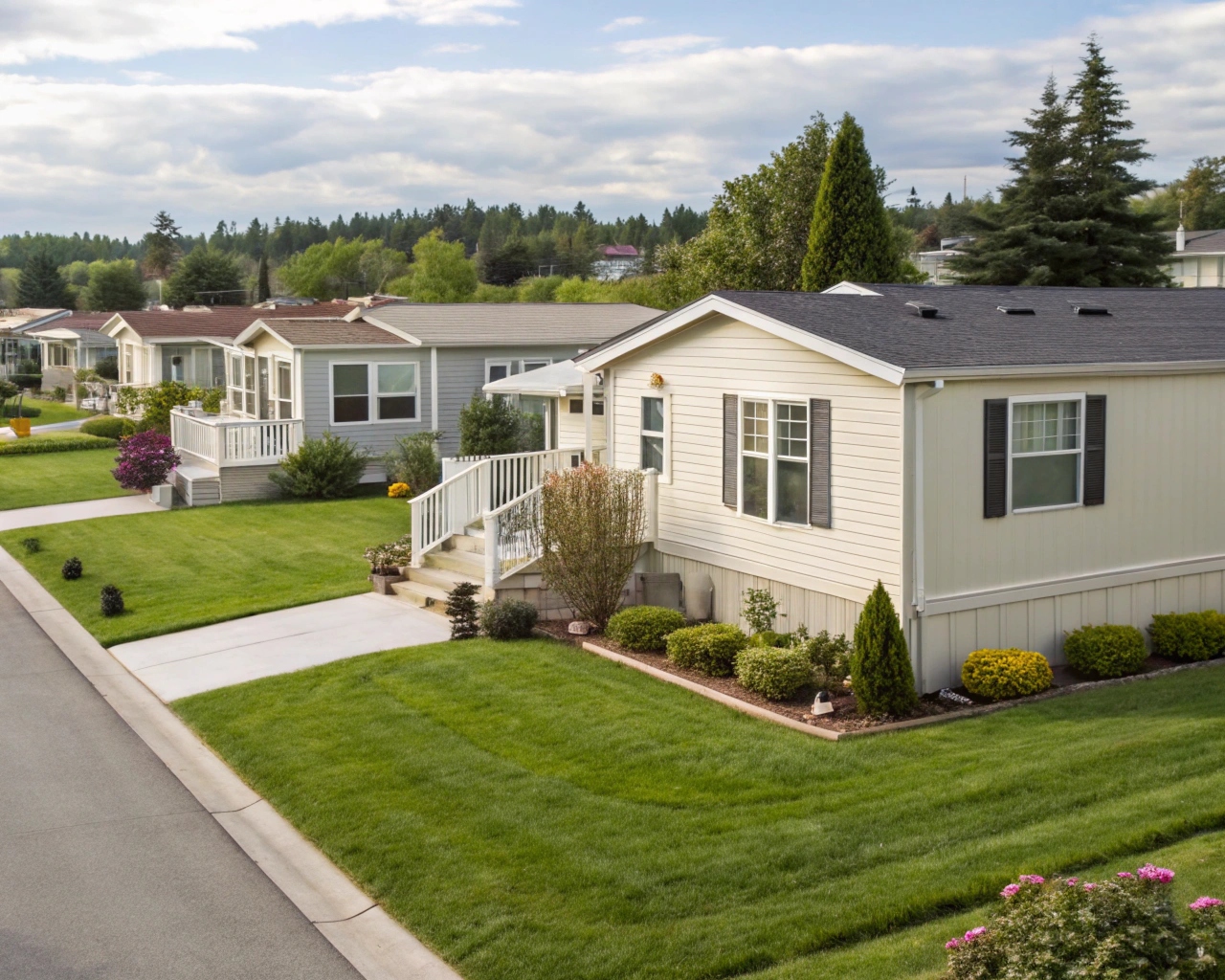
The search for affordable housing solutions has intensified as rising real estate costs outpace wage growth in many areas of the United States. Among the viable alternatives gaining attention are manufactured homes for sale. These homes have evolved far beyond the modular housing stereotypes of previous decades, offering modern amenities without the high price tag typical of conventional site-built houses.
People across various demographics now recognize manufactured homes as a pathway to homeownership that does not require excessive financial compromise. Innovative design, quality, and energy efficiency have transformed this sector into a competitive option in today’s rapidly evolving housing market.
Recent years have also seen increased public awareness and policy reforms aimed at supporting and legitimizing manufactured housing as a key ingredient in addressing America’s housing needs.
As housing choices expand, many are also considering alternatives, such as mobile homes, which share many of the advantages of modern manufactured housing. These options are becoming increasingly relevant as housing costs rise and more Americans seek flexible living arrangements.
Additionally, the U.S. Department of Housing and Urban Development (HUD) has provided guidance and resources to help consumers better understand their manufactured home options, further supporting informed decision-making.
Affordability and Cost Savings
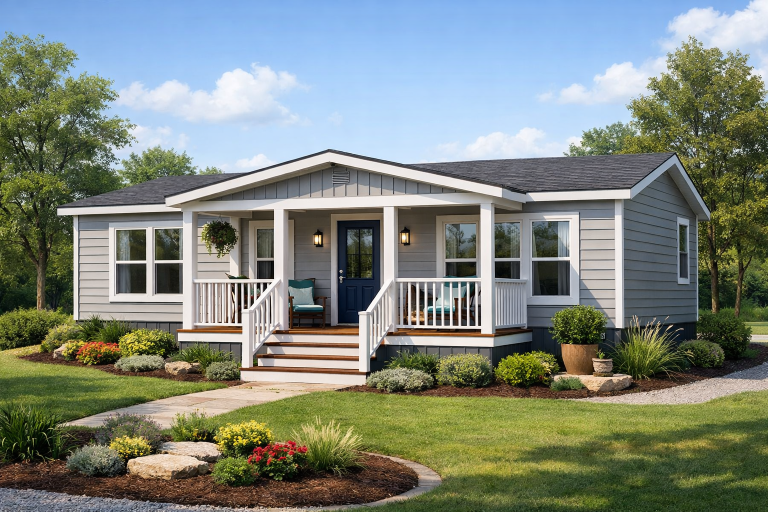
The most significant draw of manufactured homes remains their remarkable affordability. In 2024, the average price of a new manufactured home was about $123,300, a fraction of the cost of site-built properties. This lower entry point appeals to first-time home buyers, growing families, and retirees alike, many of whom are seeking cost savings without sacrificing comfort or quality.
Lower prices are achieved without a substantial compromise in amenities or structural integrity due to advancements in materials and construction techniques. Prospective homeowners can enjoy many of the features of traditional homes, such as spacious kitchens, energy-efficient appliances, and open living spaces, all within a reasonable budget.
Policy Reforms and Legislative Support
Wide-ranging legislative changes have continued to boost the manufactured housing sector. A notable development has been the passage of bipartisan housing bills in Congress, offering incentives to municipalities that support new housing developments and reforms intended to make it easier to build and purchase manufactured homes. These reforms address barriers around zoning restrictions and streamline regulatory processes, ultimately making it faster and less costly to bring manufactured homes to market.
Additional improvements include enhancements to financing mechanisms for manufactured housing, such as expanded loan terms and reduced down payment requirements, further lowering barriers to entry for many Americans.
Design Innovations and Modern Features
Today’s manufactured homes embody a variety of design innovations once reserved for higher-end site-built houses. Integrated energy-efficient upgrades, such as smart HVAC systems, insulated windows, and modern appliances, are now standard features. Contemporary floor plans with open layouts, elevated ceilings, and high-quality exterior finishes enhance both visual appeal and functionality.
This renewed focus on aesthetics and durability has driven consumer demand and is encouraging a shift in mainstream perceptions about manufactured living. It is not only about affordability anymore, but also style, efficiency, and adapting to individual lifestyles.
Overcoming Stigma and Misconceptions
Manufactured homes have often been misunderstood, sometimes viewed as less desirable compared to site-built homes. These perceptions were primarily rooted in outdated notions regarding safety and construction quality. However, updates to the HUD Code for manufactured housing and ongoing innovations have dramatically improved the reputation of these homes. Public education campaigns, news features, and testimony from satisfied owners are helping to counter lingering prejudice and provide a clearer, modern image of manufactured homes.
As more people witness firsthand the comfort and value offered by modern manufactured housing, old stigmas are fading, and new standards for affordable homeownership are taking hold.
Regional Trends and Adoption
The popularity of manufactured housing is shaped strongly by geography. In the Sun Belt states, particularly Florida, Texas, and Arizona, large inventories and greater demand help sustain robust markets for these homes. New Mexico currently leads the nation in the proportion of homes classified as manufactured. Urban centers such as Mesa, Arizona, and Largo, Florida, have seen clusters develop where entire communities are built around the manufactured home model, supporting local infrastructure and economies. These trends demonstrate how manufactured housing can help regions adapt to changing population needs and affordability challenges in real time.
Financing Options and Accessibility
Historically, restrictive financing has made it challenging for potential buyers to secure loans for manufactured homes. In response, industry leaders and government agencies have expanded options to make lending more accessible. Initiatives like Freddie Mac’s CHOICEHome program now consider modern, single-section factory-built homes as eligible for conventional loans. These changes reduce costs for buyers while increasing stability and credibility for the manufactured housing sector.
Government-backed financing and support from established lenders are likely to improve further the prospects for individuals and families interested in affordable alternatives.
Conclusion
In a period of growing need for affordable housing, manufactured homes represent a practical, attractive, and increasingly respected choice for Americans nationwide. Ongoing innovation, sensible reforms, and expanded access to financing continue to strengthen the sector, making it a promising solution for those seeking both value and quality in their next home. As attitudes continue to shift and policymakers embrace modern housing options, manufactured homes will likely remain at the forefront of efforts to provide equitable homeownership for all.
