
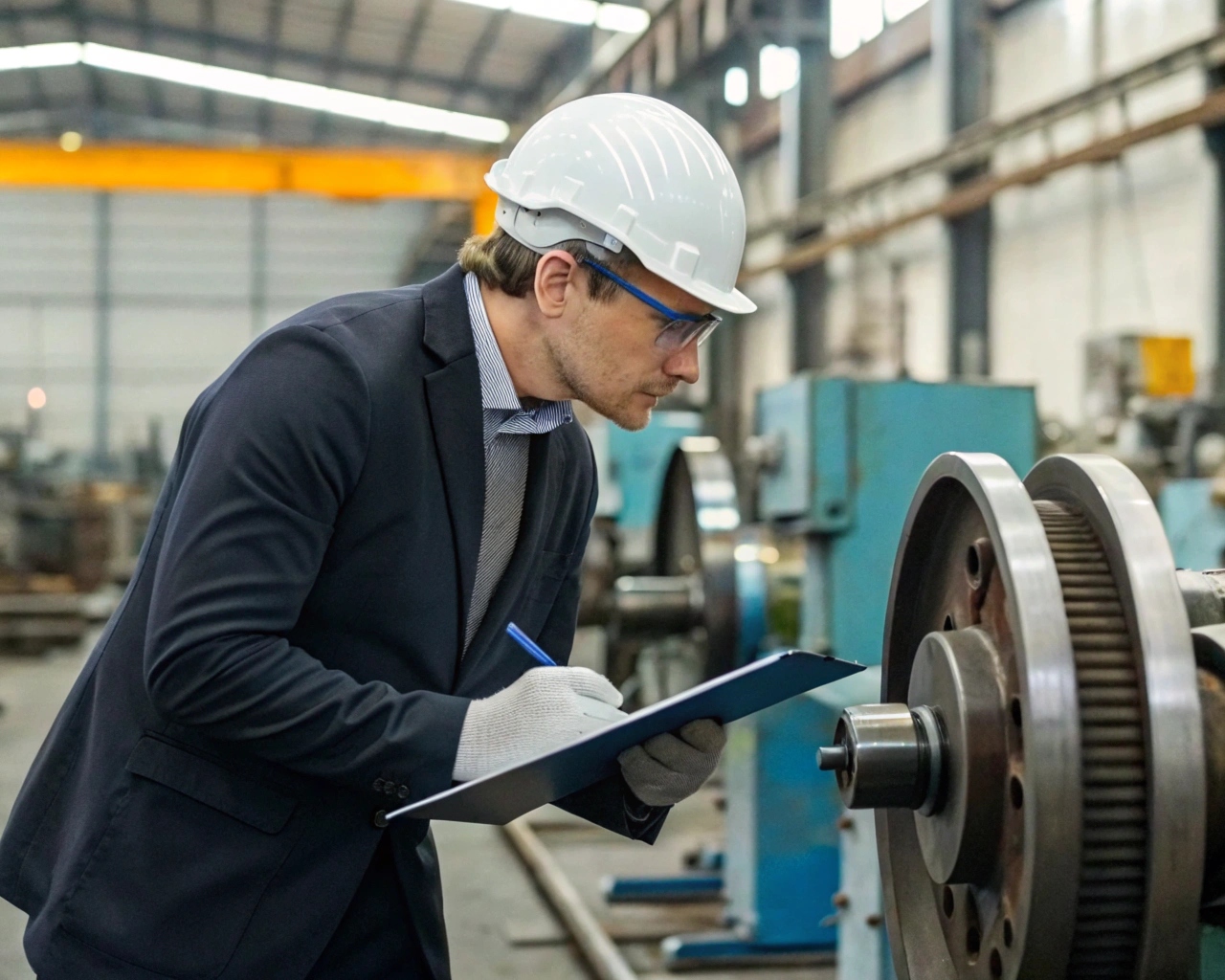
Powerful machinery keeps construction sites, manufacturing plants, and industrial facilities moving, but rotating equipment can cause catastrophic injuries within seconds. Entanglement incidents involving shafts, gears, belts, augers, rollers, and spinning components often leave workers facing life-changing physical and financial consequences. Understanding how an injury lawyer investigates these cases reveals the extensive work required to determine liability and document the full impact of a serious accident.
Why Does Preserving the Machinery Matter Immediately After an Injury?
Accident scenes can change quickly after a workplace incident. Equipment may be repaired, adjusted, cleaned, or returned to service before investigators have an opportunity to examine what happened. Preserving machinery in its post-accident condition often becomes one of the earliest priorities in a serious injury case.
Physical evidence can reveal important details about equipment operation, safety features, and potential defects. Missing guards, damaged controls, worn components, and altered settings may help explain how the injury occurred. A construction accident lawyer frequently works to ensure critical evidence remains available before important details disappear.
Equipment Inspection Often Reveals Hidden Safety Problems
Mechanical systems contain numerous components that must function correctly to maintain worker safety. Rotating machinery may include guards, emergency stop mechanisms, warning labels, and protective barriers designed to reduce injury risks. Failures involving any of these features can become significant parts of an investigation.
Detailed inspections sometimes uncover conditions that were not obvious immediately after the incident. Improper modifications, maintenance deficiencies, and damaged safety devices may all contribute to dangerous operating environments. A construction accident attorney often relies on equipment evaluations to identify factors that contributed to the injury.
How Do Maintenance Records Influence the Investigation?
Maintenance documentation can provide a timeline of equipment performance before an accident occurred. Inspection reports, repair logs, service requests, and maintenance schedules often reveal whether known problems existed before the incident took place.
Certain records may highlight recurring mechanical issues that were never fully corrected. Investigators frequently examine whether equipment continued operating despite documented concerns. A personal injury attorney may use maintenance records to demonstrate patterns that increased the likelihood of injury.
Training Documentation Can Become Key Evidence
Workers operating or working near rotating equipment generally require training on safe procedures and hazard recognition. Training records help establish whether employees received instruction regarding proper machine operation, lockout procedures, and emergency response measures.
Missing or incomplete training documentation can raise important questions. Employers often have responsibilities to ensure workers understand equipment hazards before performing assigned tasks. A construction accident lawyer in Huntsville AL may review training materials when evaluating workplace safety practices.
Witness Accounts Help Reconstruct the Sequence of Events
Coworkers often observe details that are not captured by machinery inspections or written reports. Their observations may help explain what occurred immediately before, during, and after the incident. Witnesses sometimes identify unusual machine behavior, warning signs, or procedural concerns that played a role in the accident.
Independent recollections can also help verify timelines and clarify conflicting accounts. Conversations with operators, supervisors, maintenance personnel, and nearby workers often contribute valuable context. A Huntsville personal injury lawyer frequently compares witness statements to physical evidence when building a case.
Which Records Are Commonly Reviewed in Machinery Injury Claims?
Document collection often becomes a major part of the investigative process. Multiple sources may provide information regarding equipment history, workplace practices, and accident circumstances.
Common records reviewed may include:
- Maintenance and repair logs
- Equipment inspection reports
- Safety meeting records
- Employee training documentation
- Incident and accident reports
- Manufacturer manuals and warnings
- Occupational safety citations
These documents can help create a clearer understanding of how the event unfolded.
Expert Analysis Often Explains Technical Issues
Rotating machinery cases frequently involve engineering principles that require specialized interpretation. Mechanical experts may evaluate equipment design, safety systems, operational procedures, and component failures to determine whether hazards existed before the injury occurred.
Technical analysis often helps explain complex concepts in understandable terms. Expert opinions may address machine guarding, maintenance standards, hazard recognition, and industry safety practices. A personal injury lawyer may rely on these evaluations when presenting evidence during negotiations or litigation.
Long-Term Damages Require Careful Documentation
Rotating machinery injuries often result in severe trauma involving amputations, crush injuries, nerve damage, fractures, and permanent disabilities. Medical records help document the immediate consequences, but a complete claim also considers future effects on the injured worker’s life.
Economic and personal losses may extend for years after the accident. Individuals searching for a personal injury lawyer near me, injury lawyer, Huntsville personal injury attorney, or personal injury attorney often need assistance understanding the full value of their claim. The Lackey Law Firm helps investigate rotating machinery injury cases by gathering evidence, analyzing workplace conditions, and pursuing compensation for workers facing the lasting consequences of serious industrial accidents.
