
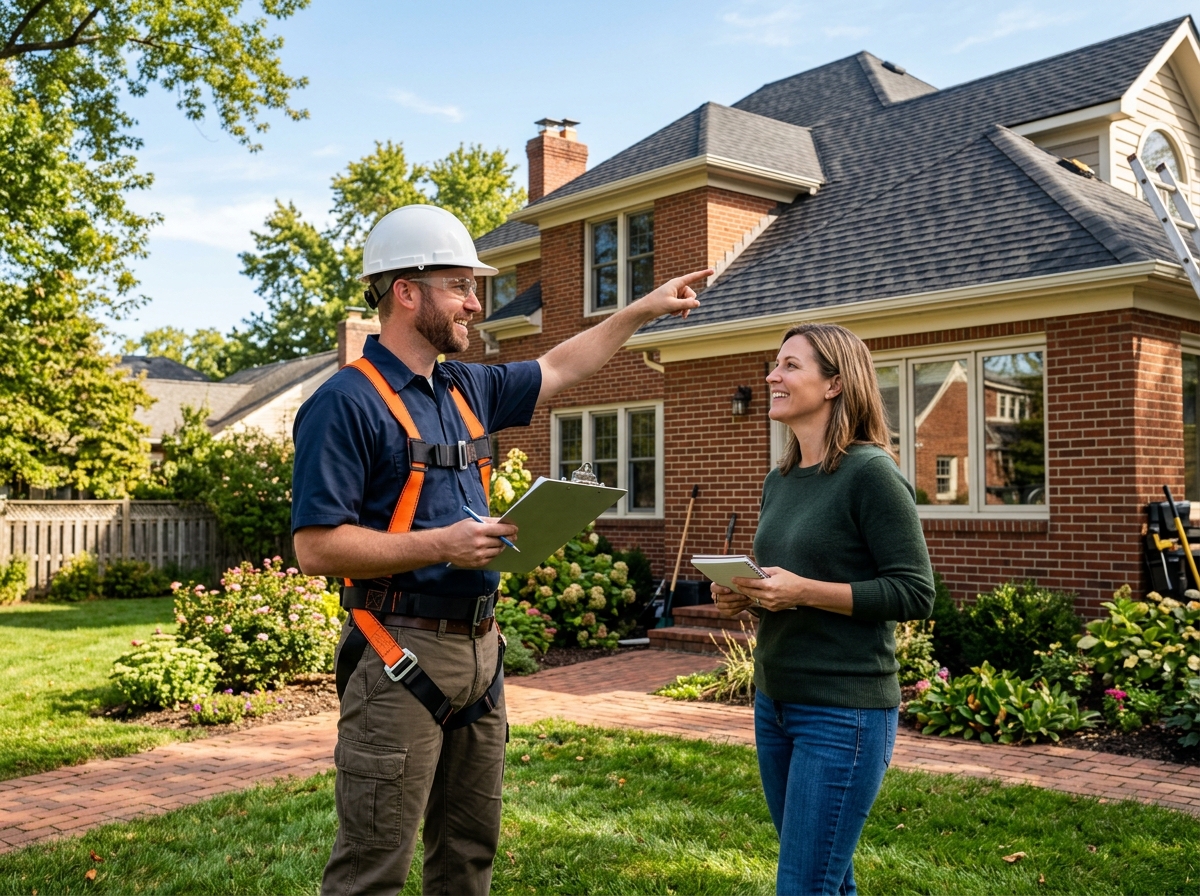
Replacing a roof involves more than selecting shingles and approving an estimate. Homeowners often need clear answers about timing, materials, hidden damage, warranties, and whether replacement is even necessary. Qualified Huntsville roofers can explain those details after inspecting the full roofing system and comparing repair options with the cost and value of new installation.
Does the Entire Roof Need Replacement, or Can Repairs Still Work?
Visible damage does not always mean the whole roof has reached the end of its life. Missing shingles, one failed vent boot, or a short section of damaged flashing may respond well to targeted Huntsville roof repair when the surrounding materials remain flexible and secure.
Widespread wear creates a different situation. Curling across several slopes, repeated leaks, exposed asphalt, brittle shingles, and extensive granule loss may show that isolated repairs will become harder to complete and less dependable over time.
Careful inspection helps separate a repairable defect from system-wide deterioration. A trustworthy roof company should explain both options without assuming that either repair or roof replacement is automatically the better choice.
What Will Happen to the Existing Roofing Materials?
Removal methods depend on the roof’s current construction and the number of existing layers. Complete tear-off exposes the decking, allowing contractors to find soft wood, old moisture damage, loose fasteners, and previous installation problems before new materials cover the surface.
Disposal should also appear clearly in the written scope. Shingles, underlayment, flashing, nails, and damaged decking need safe removal, proper handling, and cleanup so debris does not remain in landscaping, gutters, or driveways.
Property protection deserves attention before work begins. Homeowners searching for roofing near me can ask how crews will shield siding, windows, plants, outdoor equipment, and paved areas throughout the project.
How Will Hidden Decking Damage Affect the Final Cost?
Roof decking cannot be fully evaluated until workers remove the shingles and underlayment above it. Dark stains, swollen panels, soft spots, and weakened edges may reveal moisture damage that was not visible during the initial exterior inspection.
Written estimates often include a price per sheet or per square foot for unexpected decking replacement. That allowance gives homeowners a clearer way to understand possible added costs instead of receiving an unexplained change after the roof has already been opened.
Transparent communication matters whenever concealed damage appears. An established roof repair company should document the affected wood, explain why replacement is needed, and obtain approval before expanding the original work.
Which Roofing Material Makes Sense for the Home?
Material selection should reflect roof pitch, architectural style, weather exposure, budget, and expected maintenance. Asphalt shingles remain common because they offer several performance levels, colors, and profiles, while other systems may suit specific designs or long-term goals.
Product names alone do not tell the full story. Wind ratings, impact resistance, algae protection, manufacturer requirements, and warranty terms can vary between lines that look similar from the ground.
Local knowledge helps narrow the choices. Experienced Huntsville roofers can explain how heat, humidity, strong storms, and heavy rainfall may affect different roofing products in North Alabama.
How Long Will the Replacement Process Take?
Project length depends on roof size, slope, complexity, decking condition, material type, and weather. A straightforward residential roof may move quickly, while homes with dormers, steep pitches, several valleys, or multiple elevations usually require more detailed work.
Scheduling should account for more than the installation itself. Material delivery, site preparation, tear-off, deck repairs, flashing work, cleanup, and final inspection all affect how long crews remain on the property.
Weather can alter even a well-organized timeline. Reliable contractors explain how they monitor forecasts, protect exposed sections, and communicate delays rather than rushing work during unsafe or unsuitable conditions.
What Should the Estimate Include Before Work Begins?
Detailed proposals should list materials, labor, removal, disposal, underlayment, flashing, ventilation components, permits, decking allowances, and cleanup. Vague totals make it difficult to compare bids because one contractor may include work that another leaves out.
Payment terms deserve the same level of clarity. Deposit requirements, progress payments, final balances, and approved change orders should appear in writing before the project starts.
Warranty information also needs careful review. Customers comparing roof repair near me should understand the difference between manufacturer coverage for materials and workmanship protection offered by the installer.
Will the New Roof Improve Ventilation and Drainage?
Replacement provides an opportunity to correct conditions that may have shortened the life of the previous roof. Blocked soffits, inadequate exhaust vents, poorly placed fans, and uneven attic airflow can trap heat and moisture beneath new shingles if they remain unaddressed.
Drainage details require similar attention. Valleys, gutters, roof edges, flashing, and upper-roof downspouts must direct water away without concentrating runoff onto vulnerable sections.
Balanced improvements protect the full system rather than only its visible surface. Proper airflow and water movement can help new materials perform closer to their intended service life.
How Can Homeowners Prepare for Roof Replacement Day?
Interior preparation can reduce disruption once crews begin working overhead. Fragile wall decorations, loose attic items, and objects stored near ceiling access points may need to be secured because tear-off and fastening create vibration.
Exterior access should remain open for trucks, trailers, ladders, and material deliveries. Vehicles, grills, patio furniture, and children’s outdoor items are safer when moved away from the work zone before the crew arrives.
Fleming Roofing helps homeowners review these questions through residential inspections, targeted repair options, and complete roof replacement planning. By explaining material choices, hidden damage, project scope, ventilation, drainage, and expected costs, the team gives property owners practical information for deciding which roofing approach best fits the home.
