
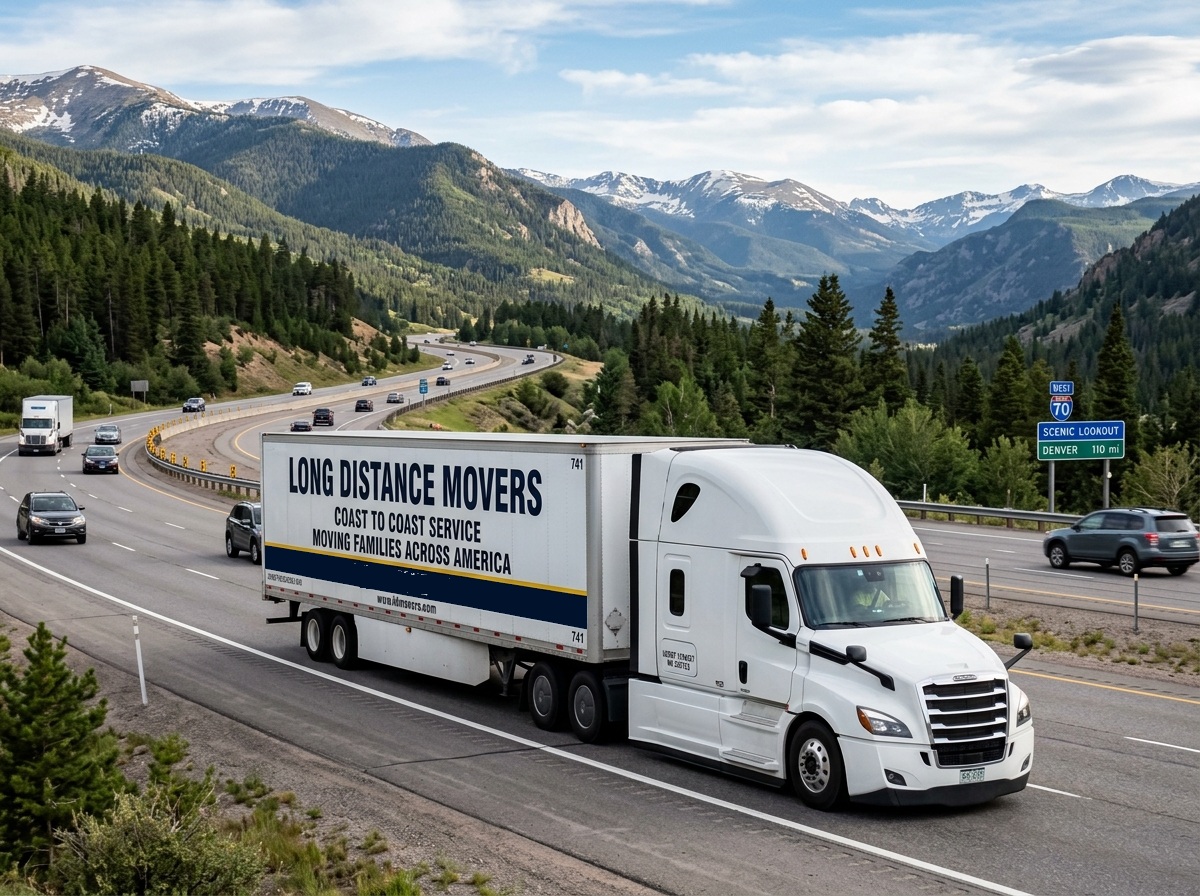
Delivery dates for an interstate move involve more than counting the miles between two addresses. Carriers must account for shipment size, route conditions, driver schedules, shared truck space, and the services required at each home. Understanding how a delivery window is built helps customers plan ahead without mistaking an estimated range for a guaranteed arrival time.
Why Long-Distance Deliveries Use a Date Range Instead of One Day
Interstate shipments often receive a delivery window because road travel contains variables that cannot be predicted with complete accuracy. Traffic crashes, construction, severe weather, mechanical trouble, inspection stations, and legal driving limits can affect progress. A long distance moving company may provide an earliest and latest delivery date based on the expected route and the time reasonably needed to complete it.
Promising one exact day too early in the process can create unrealistic expectations. Responsible long distance moving companies leave enough flexibility to handle ordinary delays without forcing drivers to rush or skip required rest. Customers should still receive a reasonable range in writing, along with an explanation of how the carrier will communicate if conditions change.
Shipment Size Helps Determine Where the Move Fits on the Schedule
Larger household shipments usually require more loading time, trailer space, and unloading labor than smaller moves. Crews must estimate the total volume or weight before assigning the shipment to a truck and planning the trip. A full household move may travel directly, while a smaller load may share trailer space with property from other customers moving along a similar route.
Available capacity also affects pickup and delivery order. Long distance movers may combine several compatible shipments to keep transportation efficient, but each additional stop adds handling and travel time. A dependable Huntsville moving service should explain whether belongings will travel alone, share space, or transfer to another vehicle before reaching the destination.
Route Distance Is Only One Part of the Travel Calculation
Mileage provides a starting point, yet two routes of equal length may require very different transit times. Mountain roads, major cities, seasonal storms, rural highways, toll routes, bridge restrictions, and truck-specific regulations can slow a trip. Route planners consider these factors before giving customers an expected delivery range.
Geography may also affect where a driver can safely stop, refuel, inspect the truck, or park overnight. Skilled Huntsville movers review commercial vehicle restrictions rather than relying only on standard passenger-car directions. That planning reduces last-minute detours and helps the carrier set a timeframe that reflects real trucking conditions.
Driver Hours and Safety Rules Shape the Arrival Estimate
Commercial drivers cannot remain behind the wheel without limits. Federal hours-of-service rules require rest periods and cap how long a driver may operate during a work cycle. These requirements protect the driver, the shipment, and other road users, even when a customer hopes for a faster arrival.
Scheduling teams must include driving breaks, daily inspections, fuel stops, meals, and overnight rest in the timeline. Professional long distance movers in Huntsville AL do not build delivery promises around unsafe driving expectations. Instead, they calculate how far the truck can lawfully travel each day and allow room for delays that may reduce available driving time.
Shared Loads Can Add Stops Without Putting Property at Risk
Consolidated shipping allows a carrier to transport several household moves on one trailer when destinations follow a practical route. This arrangement can make long-distance transportation more efficient, particularly for customers with smaller shipments. Numbered inventory tags and clearly separated load sections help crews keep each household’s belongings organized.
Stop order depends on trailer placement, destination sequence, appointment availability, and unloading access. Careful long distance moving companies create a loading plan so one customer’s furniture does not need unnecessary handling at another stop. Customers can ask how many deliveries may occur before theirs and whether the company uses sealed sections, dividers, or shipment-specific tracking.
Access Conditions at Both Homes Affect Timing
Apartment rules, elevator reservations, gated entrances, narrow streets, loading permits, and limited parking can change how quickly crews complete a move. A truck that cannot park near the building may require a smaller shuttle vehicle or a longer carry. Those arrangements take additional time and may need advance approval from the customer or property manager.
Destination details matter just as much as pickup conditions. Clear information about stairs, driveway width, building hours, and local restrictions helps a long distance moving company in Huntsville AL schedule the right crew and equipment. Surprises at delivery can delay unloading, especially when the trailer cannot safely reach the property.
How Should Customers Prepare for a Flexible Delivery Window?
Households should keep medications, identification, work equipment, basic cookware, clothing, pet supplies, and important documents outside the moving truck. A delivery range may cover several days, so essential items need to remain available throughout the wait. Temporary housing plans should also allow flexibility rather than ending on the earliest possible arrival date.
Written communication provides the clearest record of timing updates and service expectations. Customers should confirm the delivery window on the bill of lading, save the dispatcher’s contact information, and ask how much notice the crew gives before arrival. Moving Hearts Co serves customers who need help planning an interstate relocation, and its team can explain how shipment size, routing, access, driver schedules, and other moving details may shape the expected delivery timeframe.